Millions to benefit from NHS robot drive
Millions of patients are set to benefit from a major expansion of robotic surgery on the NHS.
By 2035, half a million operations a year will involve robots, up from 70,000 in 2023/24. Nine in ten keyhole procedures could be robot-assisted within a decade, compared with one in five today.
NHS leaders say the technology will become the default option for many operations, including some emergencies, because it offers greater precision than the human hand.
The projections follow NHS England’s first national guidance on how robotic surgery programmes should be delivered.
Sir Jim Mackey, NHS Chief Executive, said: “The NHS has pledged to return to shorter elective waiting times by 2029. Expanding robotic surgery will speed up procedures, improve outcomes and cut recovery times for patients.”
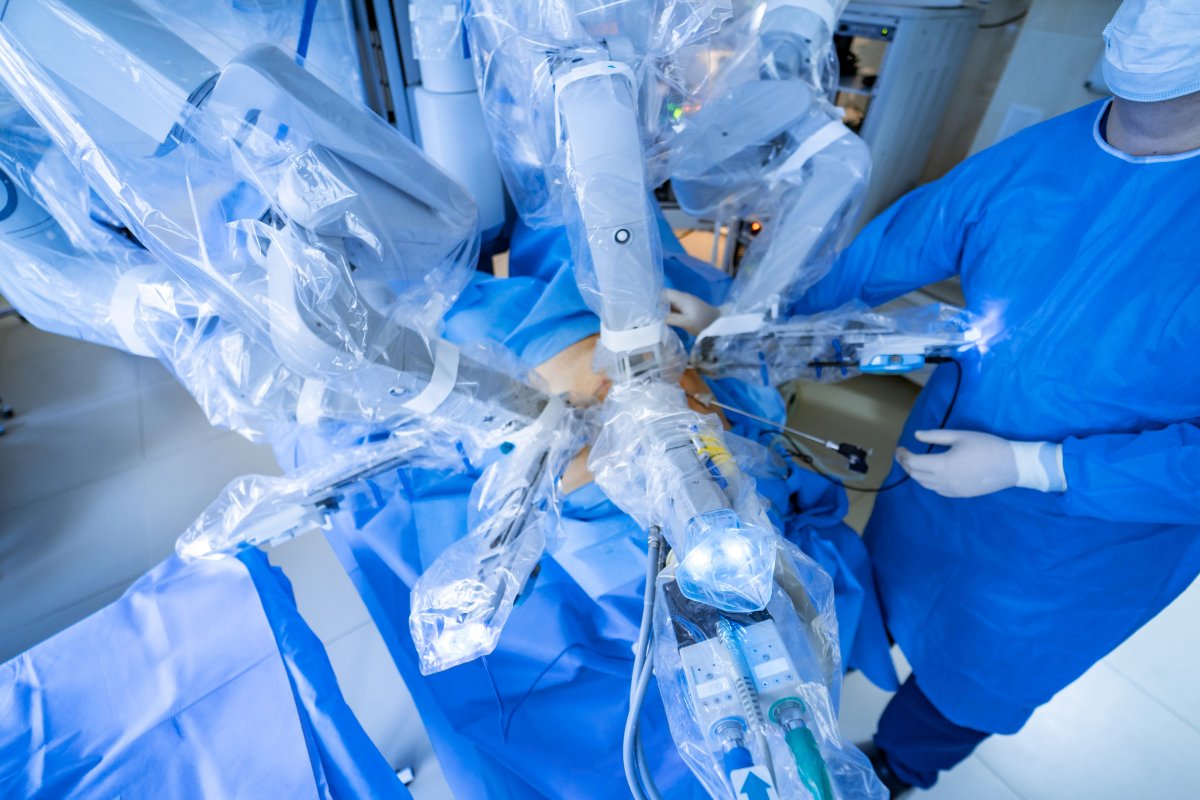
Unlike traditional keyhole surgery, robotic systems give surgeons finer control. They operate from a console using a 3D camera, while instruments move with enhanced dexterity. Patients typically recover faster. Some bladder cancer patients now leave hospital in five days, compared with ten after open surgery.
The range of operations using robotics is widening fast. In 2011/12, 80 per cent of cases were in urological cancer. By 2023/24, this had dropped to 44 per cent as the technology spread into colorectal, gynaecology, orthopaedics and ear, nose and throat surgery.
The National Institute for Health and Care Excellence has conditionally approved five robotic systems for soft tissue procedures and six for orthopaedics, including hip and knee replacements.
John McGrath, consultant surgeon at North Bristol NHS Trust, said: “Robot-assisted surgery is transforming the way the NHS works. Patients recover quicker, which relieves pressure on services and helps reduce waiting times. It also makes complex procedures less physically demanding for surgeons, allowing more operations each day.”
Health Secretary Wes Streeting, who had kidney cancer surgery with robotic support, said: “Innovative treatments like this help cut waiting lists and deliver better outcomes. Our Plan for Change will make sure patients get care on time. We are investing record sums to bring more cutting-edge technology into the NHS.”
Patient groups told NICE that quicker recovery, less pain and smaller scars were the biggest benefits of robotic surgery.