
Lovelace Report: Unlocking £2bn – £3.5bn by Keeping Women in Tech
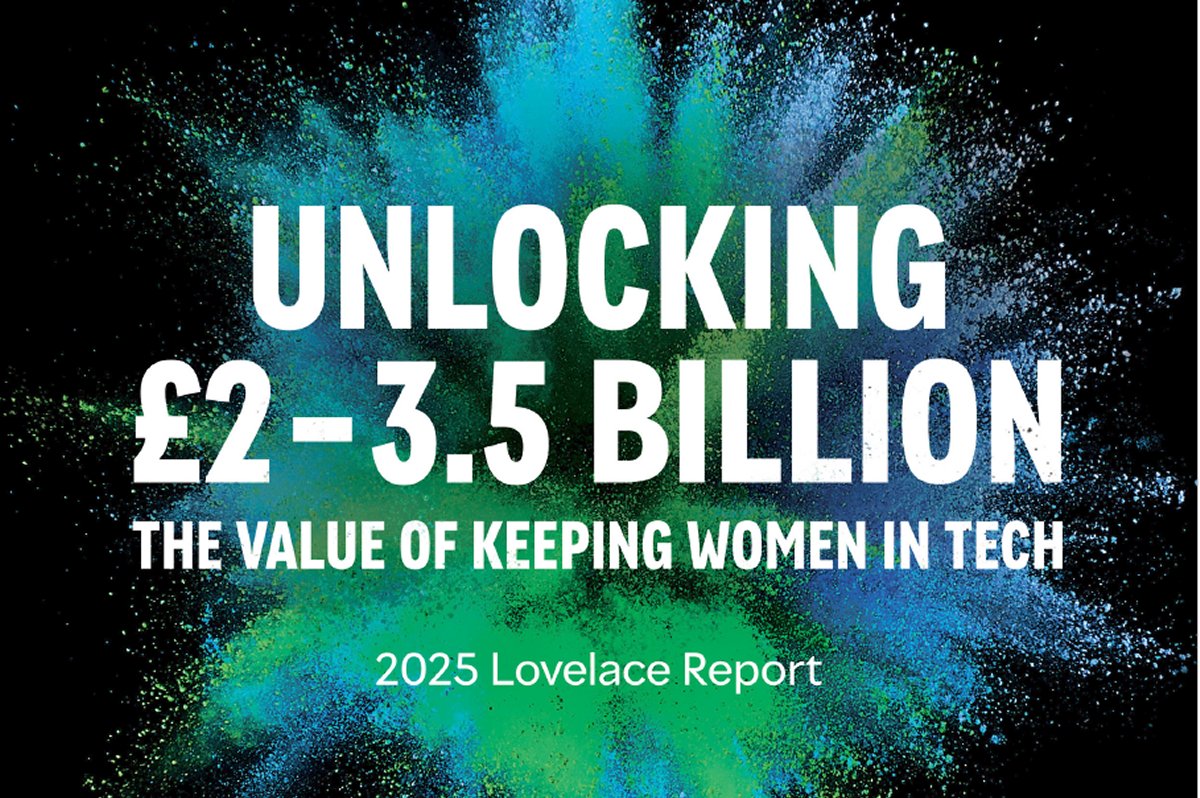
WeAreTechWomen and Oliver Wyman launched '2025 Lovelace Report: Unlocking £2 - £3.5 Billion' report at the House of Commons on Tuesday 15 July 2025. At the start of the year, they set out to explore a critical challenge: why women in UK tech aren’t progressing - or staying - at the pace they should.
What they uncovered was stark: between 40,000 and 60,000 women leave the UK’s tech sector every year, costing the economy an estimated £2 to £3.5 billion annually. This isn’t a pipeline problem, it’s a system failure.
- Over 75% of women with 11–20 years of experience had waited more than 3 years for a promotion
- More than 50% earned below average pay for their level
- 90% want to lead but only 25% believe they can
Broken career framework
While the UK races to establish itself as a global tech hub, a critical oversight threatens its ambitions: The tech industry loses between £2 billion and £3.5 billion annually through a broken career framework that’s driving out talent across the board, with women bearing the heaviest cost. Today, only about 20% of UK tech workers are women, which is a stark imbalance that compounds the impact of every lost career.
Ongoing talent drain
The ongoing talent drain hits the UK at its most critical moment. The government has made bold commitments to becoming a global leader in artificial intelligence (AI) and digital technology, including ambitious goals to scale the national AI workforce and increase AI research capacity by at least twentyfold by 2030. Yet the sector is already short 98,000 to 120,000 professionals and will need to double or triple capacity in the years ahead to meet demand across AI, cybersecurity, and digital infrastructure.
Over 100 women leave their tech jobs everyday
This steady exodus creates a devastating economic drain, and consists of approximately 40,000 to 60,000 women each year leaving their tech and digital roles, either by exiting the industry altogether or moving to a new tech employer. In our survey of more than 500 mid-to senior-level women in tech, lack of advancement opportunity was cited as the primary driver for leaving (25%), followed closely by lack of recognition (17%), inadequate pay (15%), dissatisfaction with company culture and working conditions (8%), and absence of role models or a supportive network (8%) which hampers advancement.
An estimated £1.4 billion to £2.2 billion is lost every year from women leaving the industry, plus another £640 million to £1.3 billion squandered from the churn of women switching employers for a new tech role, resulting in productivity losses, costly onboarding, endless recruitment cycles, and limiting the potential of the industry.
Office for National Statistics (ONS) data shows that the number of men in the UK information and communication sector has increased by about 11.5% over the last five years, while the number of women has decreased by approximately 7%. Moreover, in 2024 the rate at which women left the UK information and communication sector was more than double that of men. Our sizing methodology is conservative and does not account for the over 360,000 women who remain with their current employer each year, some of whom are actively searching for other roles or moving laterally to a non-tech role. Employers of technology and digital talent are doing a disservice both to the future success and resilience of the sector, and to the women within it.
Career stagnation that is pushing women out of the tech sector
It's not caregiving that's pushing women out; it's career stagnation. Only 3% of women cited caregiving as the reason they left. Instead:
- 25% said lack of advancement
- 17% cited lack of recognition
- 15% pointed to pay inequity
- Others reported toxic culture, unclear pathways, or being overlooked
Despite this, ambition remains high: 90% want to move into leadership, but only 25% believe they can. The system isn't broken because women leave; they leave because it's broken.
Why This Matters?
Without urgent intervention, we risk not only falling short of our growth targets but continuing to hardcode bias into the future of AI. If minority groups continue to exit an industry already lacking in diversity — or are excluded from high-impact roles — the tools that define tomorrow’s world will reflect a narrow perspective. Ensuring women are present and supported in these critical roles is not just a gender equity issue, it’s a national capability imperative.
What needs to change
The report identifies three critical actions for UK tech employers:
1️⃣ Track career stagnation and act early
2️⃣ Ensure fair access to high-impact, visible work
3️⃣ Create clear, transparent, equitable career maps
For further information visit https://wearetechwomen.com/2025-lovelace-report
Click to download a copy of the 2025 Lovelace Report.